Comprehending the Steel Castings Process: A Comprehensive Guide for Beginners
The Metal Casting process is a fundamental strategy in making that changes molten metal right into strong types. Beginners should grasp the numerous techniques entailed, such as sand casting and pass away spreading. Understanding the products, design principles, and precaution is equally crucial. Each aspect plays an important duty in attaining successful end results. As one navigates these intricacies, the concern of just how to optimize each action for enhanced outcomes becomes significantly important.
The Basics of Steel Casting
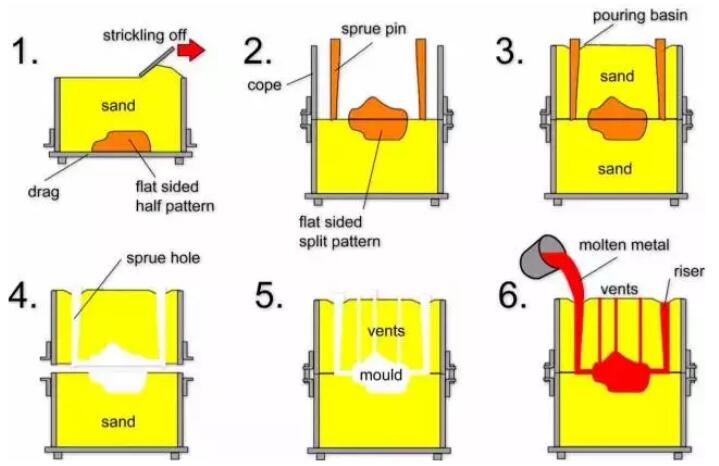
Metal Casting has actually advanced over centuries, its essential concepts continue to be integral and regular to the manufacturing process. At its core, Metal Casting entails the change of liquified steel right into strong things with numerous techniques. The procedure begins with the production of a mold, which defines the shape of the last item. Once the mold is prepared, metal is heated up to its melting factor and put right into the dental caries. After cooling down, the metal strengthens, taking the form of the mold.
There are numerous casting methods, including sand casting, investment spreading, and pass away spreading, each with unique advantages and applications. The selection of technique depends on elements such as production volume, product kind, and wanted precision. When cast, the end product may undertake additional processes like machining or surface area therapy to accomplish the required coating and specs. Recognizing these basics is crucial for anyone curious about the field of Metal Casting.
Understanding Materials Used in Steel Casting
Products play a vital duty in the Metal Casting process, influencing the end product's residential or commercial properties and efficiency. Numerous steels are utilized, including light weight aluminum, bronze, steel, and iron, each offering unique characteristics fit for details applications. Aluminum is corrosion-resistant and lightweight, making it optimal for auto components. Iron, especially cast iron, is favored for its excellent wear resistance and toughness. Steel provides high toughness and convenience, often used in hefty equipment parts. Bronze, known for its deterioration resistance and machinability, is typically used in aquatic applications.
Along with the steels, numerous casting materials, such as sand, plaster, and ceramic, are made use of to develop mold and mildews. Sand spreading, the most widespread method, uses silica sand because of its thermal security and capability to develop detailed forms. Plaster and ceramic mold and mildews provide better details however might call for more complex processes. The choice of products directly influences the efficiency, price, and top quality of the spreading procedure.
The Style Process: From Concept to Plan
The style process in Metal Casting begins with the first principle advancement, where ideas are created and examined. This is complied with by the application of CAD modeling methods, permitting precise visualizations of the layout. Ultimately, the plan finalization actions ensure that all specifications are properly recorded for manufacturing.
Preliminary Idea Growth
Initial concept advancement marks an essential phase in the Metal Casting procedure, where ideas change into concrete layouts. During this stage, developers team up with engineers and stakeholders to brainstorm and fine-tune preliminary concepts. They consider factors such as performance, appearances, and manufacturability, guaranteeing that the layout fulfills the required specs and efficiency standards. Sketches and outlines are created to visualize the ideas, enabling preliminary analyses of usefulness and cost-effectiveness. This stage likewise entails determining products and potential spreading approaches that align with the layout objectives. Ultimately, initial idea growth lays the groundwork for a thorough plan, directing the subsequent phases of the casting process and making sure an effective change from principle to reality.
CAD Modeling Techniques
Transforming concepts into precise styles, CAD modeling strategies play an essential duty in the Metal Casting process. These methods use innovative software to create detailed three-dimensional models that accurately mirror the designated product. By employing tools such as parametric modeling, strong modeling, and surface area modeling, designers can control measurements and shapes easily. CAD systems also assist in simulation and evaluation, enabling the identification of possible imperfections prior to production starts. This proactive strategy reduces material waste and optimizes the style for manufacturability. Furthermore, CAD versions can be quickly customized, enabling quick versions based on feedback. Essentially, CAD modeling serves as the foundation of the design process, connecting the gap in between preliminary ideas and the eventual production-ready designs.
Plan Finalization Steps
Adhering to the creation of detailed CAD versions, the next phase includes plan finalization, which is essential in converting digital styles right into actionable plans for manufacturing. This procedure begins with evaluating the CAD models for accuracy and compliance with specs. When validated, the measurements, tolerances, and product specifications are meticulously detailed to ensure clearness. Incorporating annotations and notes helps connect vital information concerning spreading processes, surface area coatings, and setting up needs. The wrapped up plan undergoes a strenuous approval process, commonly involving cooperation with engineers and manufacturing groups to address any kind of possible issues. Besides revisions are made and approvals obtained, the plan is officially released, acting as the fundamental record for Homepage the subsequent phases of Metal Casting, including pattern production and mold and mildew layout.
The Metal Casting Strategies Clarified

Metal Casting strategies incorporate a variety of techniques utilized to shape liquified metal right into desired forms. These strategies vary according to the sort of material, intricacy of the layout, and manufacturing volume. Sand casting is one of the most common approaches, including the development of a mold and mildew from sand to hold the molten metal. Investment casting, or lost-wax spreading, enables complex designs by utilizing a wax pattern that is disappeared. Die casting utilizes high-pressure shot of liquified steel right into a mold and mildew, appropriate for automation. Other methods include irreversible mold casting, which utilizes multiple-use molds, and centrifugal spreading, where rotational pressures aid in filling the mold and mildew. Each strategy has its applications and benefits, making it crucial for producers to pick the ideal method based upon their details requirements and requirements. Recognizing these strategies is essential for any individual included in the Metal Casting procedure.
Completing Processes: Enhancing Your Casted Item
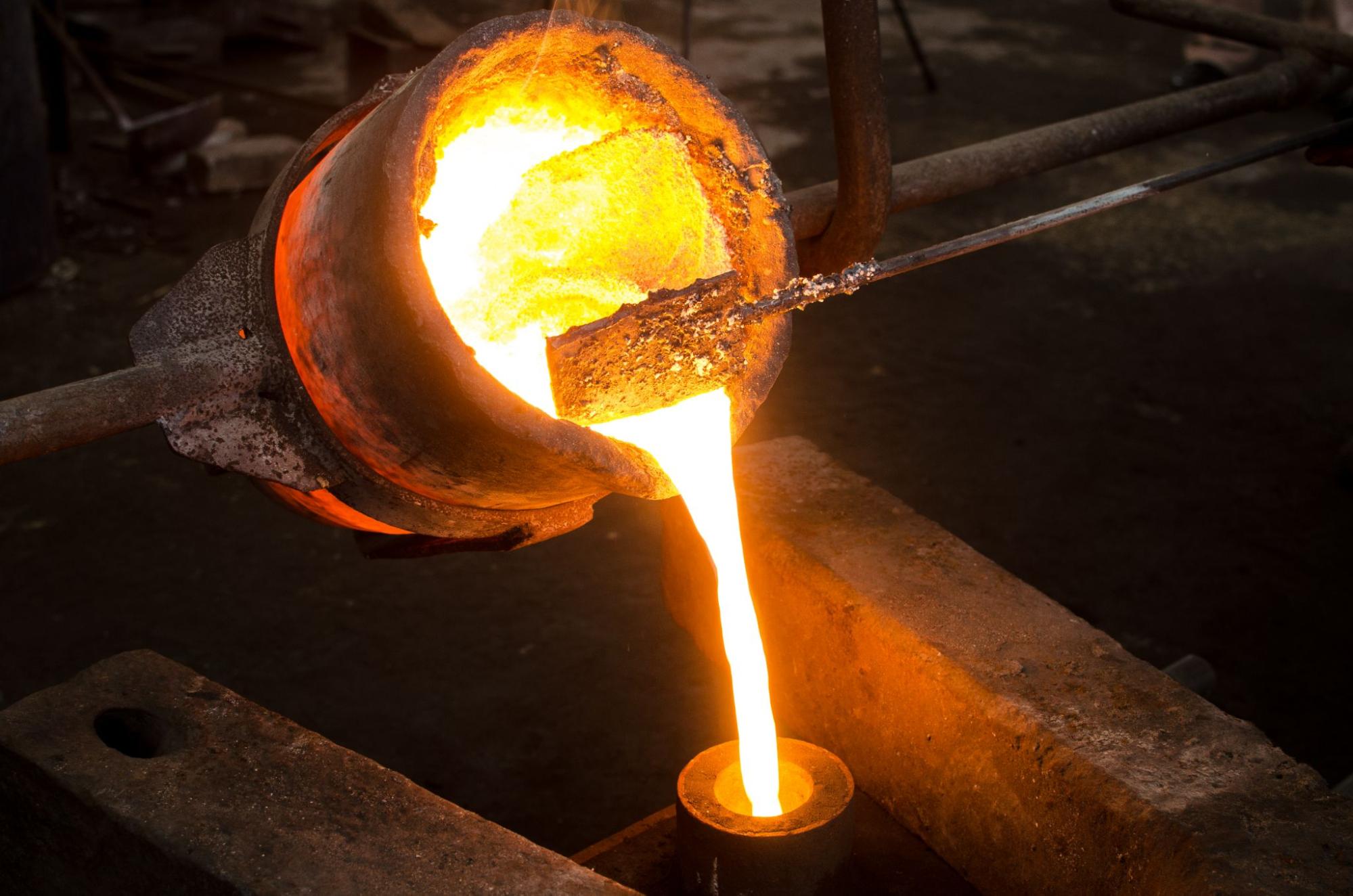
Completing processes play an important role in boosting the high quality and appearance of casted products. Different surface area therapy strategies, such as polishing and finishing, are utilized to boost resilience and appearances. Additionally, top quality assessment methods assure that the end product satisfies specified criteria and efficiency requirements.
Surface Area Treatment Strategies
A variety of surface treatment strategies play an essential function in boosting the top quality and longevity of casted items. These techniques include methods such as shot blasting, brightening, and layer. Shot blowing up properly eliminates surface imperfections, improving the visual and functional qualities of the casting. Polishing provides a smooth coating, which is particularly crucial for decorative applications and parts requiring very little friction. Finish methods, such as electroplating or powder covering, deal added protection versus corrosion and wear, making sure resilience. Surface area therapies can enhance attachment for subsequent procedures, such as paint or bonding. By employing these techniques, manufacturers can accomplish superior surface area quality, which is important for the performance and lifespan of Metal Casting in various applications.
Quality Inspection Methods
Efficient top quality examination approaches are crucial for assuring the honesty and performance of casted products after the completing procedures. Numerous strategies are employed to examine the top quality of Metal Casting, consisting of visual examination, dimensional checks, and non-destructive testing (NDT) Aesthetic examination permits for the recognition of surface area flaws, while dimensional checks assure that products satisfy specified resistances. NDT approaches, such as ultrasonic testing and radiographic evaluation, offer deeper understandings into inner stability without harming the castings. In addition, mechanical screening, such as tensile and hardness examinations, evaluates product residential properties - Metal Castings. By utilizing a combination of these approaches, makers can improve our website product top quality and dependability, eventually causing better client contentment and minimized production prices
Safety Considerations in Metal Casting
While the Metal Casting procedure provides numerous advantages, it likewise presents a variety of safety and security risks that need to be very carefully handled. Employees in casting facilities are revealed to heats, liquified steels, and unsafe materials, which can cause severe injuries if appropriate preventative measures are not taken. Personal safety tools (PPE) such as heat-resistant gloves, deal with guards, and safety apparel is important to decrease risks.
Furthermore, the visibility of fumes and dirt requires appropriate air flow systems to ensure air quality - Metal Castings. Routine training on safety and security protocols is essential for all workers to acknowledge prospective dangers and respond properly. Emergency procedures need to be developed, consisting of fire safety and security actions and emergency treatment accessibility. Maintenance of tools and appropriate handling of materials better contribute to a safer working atmosphere. By focusing on these security considerations, Metal Casting operations can safeguard their workforce and preserve effective manufacturing procedures
Regularly Asked Inquiries
What Are the Ecological Influences of Metal Casting?
Metal Casting can bring about environmental impacts such as air and water contamination, resource depletion, and energy intake. Additionally, improper waste monitoring and emissions from foundries add to eco-friendly disruptions and wellness threats for close-by areas.
Just how Do I Select the Right Metal for Casting?
To choose the best metal for spreading, one need to think about elements such as mechanical residential properties, rust resistance, thermal conductivity, and expense. Examining the intended application and environmental problems is important for excellent option.
What Are the Typical Problems in Metal Casting?
Usual flaws in Metal Casting include porosity, shrinking, sand incorporation, and misruns. These concerns frequently arise from improper product selection, insufficient layout, or defects in the spreading procedure, impacting the final item's top quality and efficiency.
How Can I Enhance My Metal Casting Abilities?
To improve Metal Casting abilities, one must practice consistently, research study spreading techniques, examine previous tasks for defects, seek comments from knowledgeable wheels, and continually try out various materials and approaches to improve proficiency and understanding.
What Is the Cost of Starting a Metal Casting Company?
Starting a steel spreading service generally calls for a preliminary financial investment of $5,000 to $50,000, depending upon devices, materials, and facility prices. Elements like area and scale can greatly affect overall startup expenditures.
The Metal Casting procedure is a basic strategy in making that changes molten steel right into solid forms. Novices should grasp the various approaches involved, such visit this site as sand spreading and die casting. There are numerous casting methods, including sand casting, investment spreading, and die spreading, each with special advantages and applications. Investment spreading, or lost-wax spreading, allows for elaborate styles by utilizing a wax pattern that is melted away. Various other techniques include permanent mold spreading, which uses multiple-use mold and mildews, and centrifugal casting, where rotational forces assist in filling up the mold and mildew.